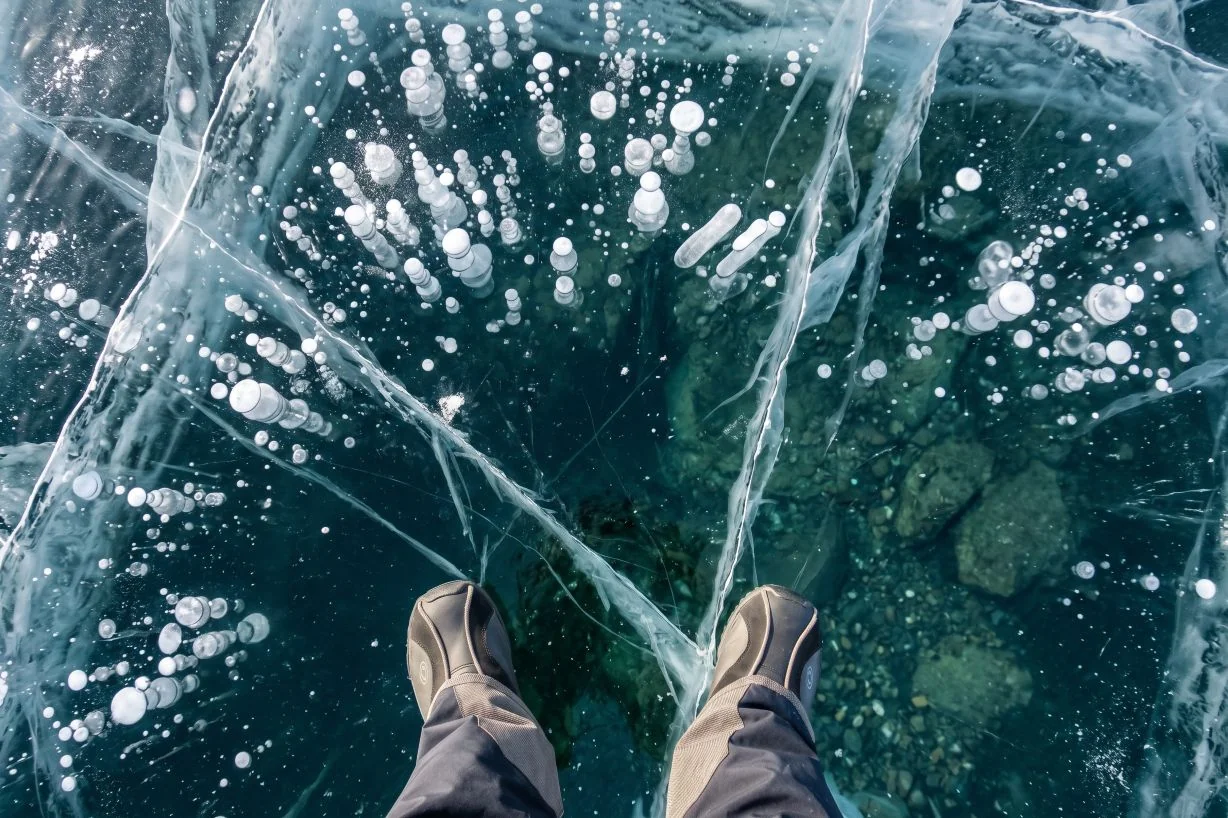
The ice beneath your boots vibrates with a deep, subterranean rumble that travels for miles through the frozen stillness. You look down through two metres of transparent turquoise glass, gazing into the depths of one of the oldest and deepest lakes on Earth. Ahead of you, the sacred Shamanka Rock glows rose-gold in the low Siberian winter sun.
For many international travellers, the prospect of journeying to Siberia in midwinter sounds intimidating. You might picture harsh blizzards, bewildering transfers, and remote terrain where language barriers create constant friction.
In reality, your first winter encounter with Olkhon Island unfolds as an accessible, profoundly comfortable journey when you travel with a clear door-to-door plan. You do not need extreme wilderness training or heavy expedition gear. You simply need thoughtful logistics that transport you smoothly from your warm hotel lobby in Irkutsk straight to the frozen heart of Lake Baikal.
A Word from Your Guide
I remember my own first winter on Olkhon. I had been guiding summer trips for years, but when I first stood on that transparent ice, something changed in me. The silence, the deep rumbling underfoot, the way light travels through two metres of frozen water — it is a kind of magic you cannot capture in photographs. I have now crossed the ice more times than I can count, and I still feel that same thrill every single season.
For many of our guests, this is their first real encounter with deep winter. They arrive nervous — and by the end of the first day, they are laughing, taking photos lying on the ice, asking if they can stay longer. That transformation is why I do this. My promise is simple: I take care of the logistics, the safety, and the unexpected. Your only job is to be here and enjoy the wonder of winter Baikal.
— Maxim, Senior Guide, Baikal Majestic
Why Winter Reveals the Most Magical Side of Olkhon
The Golden Window of February and March
Lake Baikal behaves unlike any other freshwater body on the planet. Because of its tremendous volume, the lake does not freeze until mid-January. By mid-January, the lake is covered with the first layer of pure, transparent ice, creating an immaculate natural mirror stretching for hundreds of kilometres. The window from late January to late March is the golden season for travellers. During these weeks, the ice reaches a safe thickness of one to two metres — strong enough to support heavy vehicles with complete stability — while clear, cloudless skies illuminate the frozen turquoise expanse.
If you have not yet decided when to go, our guide to the best time to visit Lake Baikal breaks down every season in detail.
A Frozen Landscape Sculpted by Siberian Winds
Winter completely transforms the shoreline of Olkhon. Along the Maloye More strait, which separates the island from the mainland, autumn winds hurl lake water against sheer cliffs just as sub-zero temperatures set in. This process carves majestic ice caves, cascades of icicles, and bizarre crystalline formations known as sokhui. In the island's interior, the ground generally stays free of heavy snowdrifts thanks to Olkhon's dry microclimate, revealing vast golden steppes framed by dazzling white horizons.
To understand the forces that shape this landscape, read our article on the microclimates and winds of Lake Baikal.
The Route from Your Irkutsk Hotel to Olkhon Step by Step
Step One — Morning Pickup from Your Hotel Lobby
Your journey begins without a single moment of transfer anxiety. Arranging a sub-zero departure through local taxi dispatchers in an unfamiliar Siberian city often causes unnecessary stress for international guests. A pre-arranged door-to-door transfer eliminates all of this. Your guide or professional driver meets you directly in your Irkutsk hotel lobby at the agreed morning time, helps with heavy luggage, and walks you straight to the waiting vehicle. You travel in comfortable minivans, four-wheel-drive SUVs, or modern microbuses specially prepared for winter conditions. Every vehicle is equipped with auxiliary heaters that maintain a cosy, pleasant climate even in severe morning frost.
Step Two — A Scenic Drive with Cultural Pauses
The road from Irkutsk to Khuzhir covers approximately 300 kilometres and takes six to seven hours. Rather than turning this distance into an exhausting ordeal, your itinerary makes the drive an active part of your Siberian discovery. The journey flows at a measured, relaxed pace that prevents fatigue, allowing you to gradually immerse yourself in the changing scenery. As city streets give way to rolling steppes, we can arrange a stop at an ethno-cultural complex to explore traditional Buryat heritage and ancestral customs.
Shortly afterwards, the group stops at a welcoming roadside café for a hot lunch featuring authentic local dishes. This warm culinary pause provides genuine sustenance and introduces you to Siberian hospitality. For a deeper dive into local cuisine, see our full Olkhon Island travel guide.
Step Three — Roadside Comfort Along the Way
Long winter drives demand close attention to hygiene and everyday comfort. Every vehicle on this route maintains spotless cleanliness inside the cabin. Travellers enjoy accessible USB charging ports at their seats to keep cameras and smartphones fully charged throughout the day. To keep you refreshed, your driver makes regular sanitary stops at roadside cafés and well-equipped rest areas, where you can stretch your legs, visit clean restrooms, and buy hot herbal drinks.
For a complete guide to getting here, read our detailed article on getting to Baikal via Irkutsk.
Step Four — The Winter Crossing to the Island
Reaching the final threshold at the village of Sakhyurta marks a unique geographical transition. Travellers often worry about the safety of crossing frozen water to reach the island. Local operators solve this uncertainty by adapting transport directly to daily ice and weather reports. Depending on official ice conditions, you complete the final leg aboard a sturdy UAZ Bukhanka van over the certified ice road, or board an amphibious Khivus hovercraft. The Khivus glides smoothly on a cushion of air across solid ice, small pressure ridges, and open leads alike, delivering you to the island with complete reassurance and panoramic views.
Your First Evening on Olkhon with Sunset at Shamanka Rock
Cosy Lodging and Warmth in Khuzhir
Upon arriving in Khuzhir, the island's main village, you check into a warm guesthouse or hotel. Visiting remote Siberian villages often raises fears of draughty rooms and basic amenities. Handpicked lakeside hotels and quality guesthouses offer reliable central heating, private en-suite bathrooms, and cosy wooden interiors. After unpacking and resting from the scenic drive, you can enjoy a hot mug of local Baikal herbal tea before your evening walk.
Evening Walk to the Sacred Shamanka Rock
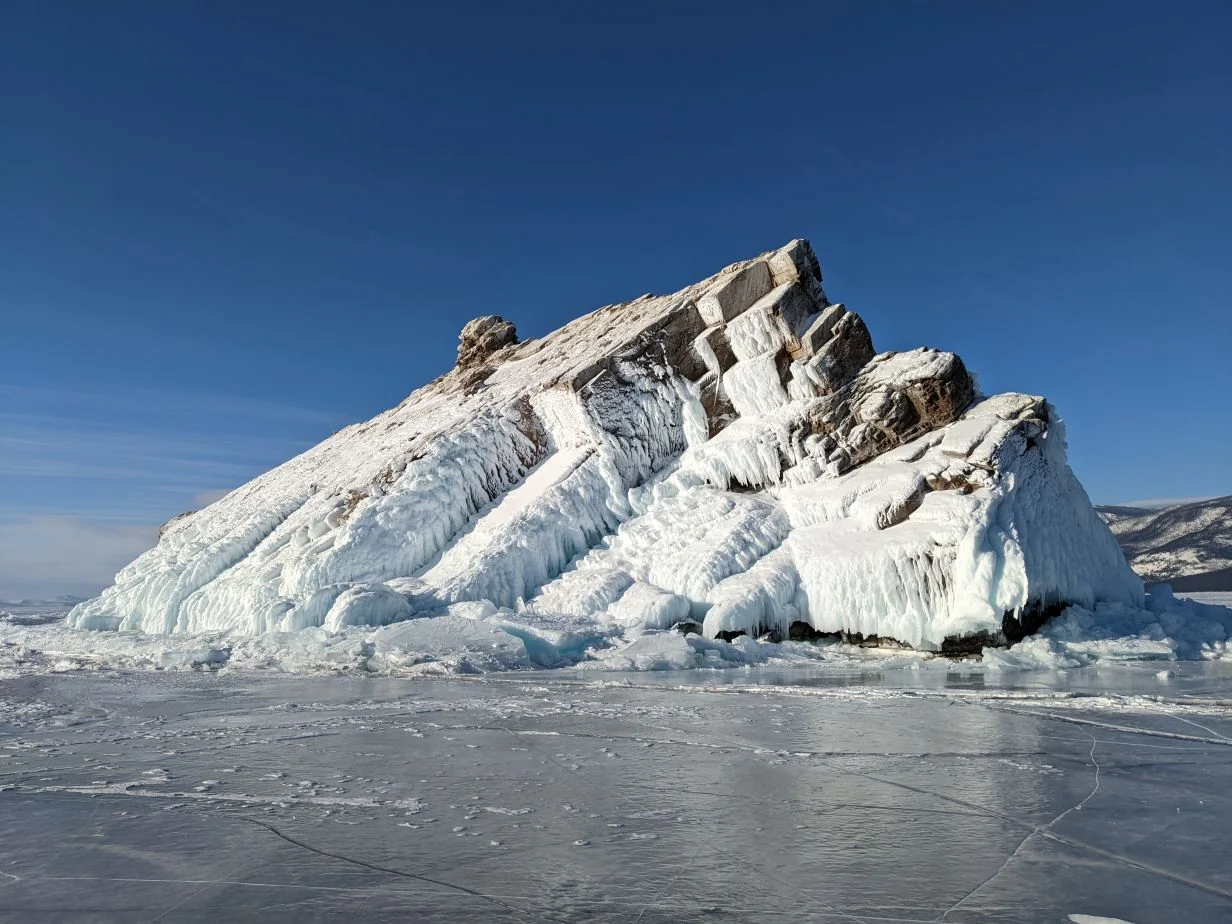
Once you have rested, your guide leads you on an easy evening walk to Cape Burkhan and the legendary Shamanka Rock. This natural marble promontory serves as the spiritual heart of the lake and offers the perfect vantage point to witness your first Baikal sunset and absorb the profound natural energy of this place. The local indigenous Buryat community practises shamanism — a living spiritual tradition that honours ancestral protectors and the spirits of nature.
"I always tell my guests: do not rush this place. Sit down. Listen. The rock has been here for millions of years. It does not need your photograph — it needs your attention."
— Maxim, Senior Guide, Baikal Majestic
To show respect for this living sanctuary, visitors observe simple local etiquette:
- Keep a respectful distance from the cave inside Shamanka Rock, where the protective spirit of Baikal resides, and never climb beyond the marked sacred boundaries.
- Walk quietly around the thirteen serge poles (carved wooden posts wrapped in ribbons, marking sacred boundaries where spirits gather), which symbolise the 13 northern noyons — powerful spirits and sons of the heavenly Tengri gods.
- Respect the fluttering zalaa ribbons tied to the sacred poles, admiring their colours without untying them or attaching synthetic materials.
- Do not leave coins, cigarette ends, or litter on the clifftops, preserving the cleanliness and sanctity of this place.
A Hearty Siberian Dinner to End the Day
After twilight fades over the frozen lake, you return to the welcoming warmth of your guesthouse. A hot, freshly cooked dinner with local culinary specialities awaits you in the dining room. You savour regional dishes such as delicate local fish soup or warm baked pies, enjoying the contrast between the frosty air outside and the soothing atmosphere inside. This hearty meal restores your energy and concludes your first memorable day on the island.
First Steps on the Ice with Total Confidence
Ice Safety and What You Need to Know
Your first step onto the frozen surface of Baikal may stir excitement mixed with natural hesitation. Before you take that very first step onto the open ice, your guide conducts a mandatory safety briefing. You learn how to read the surface of the ice, how to distinguish solid transparent ice from thin sections, and how to recognise dynamic features such as thermal cracks, wet fractures, and open leads. The vehicle accompanying you — whether a Khivus or a UAZ — already carries all the necessary professional equipment for safe movement on the ice.
Your guide sets clear, simple rules for the whole group:
- Always stay with the group and never wander off alone onto uninspected territory.
- Walk strictly along routes and tracks verified by your guide.
- Never step onto unfamiliar ice fields, pressure ridges, or river mouths without direct guidance from your team.
- Listen carefully to your guide's instructions when crossing dynamic ice zones.
One tip from us: bring your own ice cleats — small removable spikes that attach to your boots. They make walking on slippery ice far more comfortable and confident. Your guide will check the fit and show you how to use them properly.
"Fear is natural. But fear without knowledge is dangerous. My job is to give you the knowledge, so you can replace fear with confidence."
— Maxim, Senior Guide, Baikal Majestic
For a comprehensive look at safety, see our full safety guide for foreigners.
What Walking on Transparent Ice Actually Feels Like
As you walk across the glassy expanse, you will likely hear sudden acoustic cracks resembling distant thunder. While these sounds startle first-timers, they actually demonstrate the strength of the ice sheet. Large temperature swings between day and night cause natural thermal expansion, creating hairline fractures that release internal tension across the vast surface without reducing its bearing capacity. Removable ice cleats over your boots provide reliable grip, allowing you to walk naturally and look straight down at air bubbles, deep fractures, and the mysterious blue abyss beneath you.
What Might Surprise You
A few things catch first-time visitors off guard — not in a bad way, just in a "nobody told me that" way.
The cold is dry, not damp. Siberian winter air contains very little moisture. That means -20°C here often feels less biting than -5°C in a coastal city. Most guests are surprised by how comfortable they feel once they dress properly.
The ice talks. Sudden cracking sounds that echo like distant thunder are completely normal. They occur when temperature shifts cause the ice sheet to expand and contract. It is a sign of healthy, stable ice — not a warning.
The roads on Olkhon are unpaved. Khuzhir is a small village with dirt and gravel roads. In winter they are frozen and generally easy to drive on, but you will feel some bumps in the UAZ. That is part of the experience.
Cash is king in the village. Payment terminals in Khuzhir can be unreliable, especially during satellite disruptions. Bring enough rubles for souvenirs, extra snacks, or a spontaneous cup of tea at a local café.
When Winter Is Not for You
We love winter on Olkhon, but we also believe in honesty. This trip is not for everyone.
If you have serious mobility issues or joint pain. Walking on ice, getting in and out of UAZ vans, and navigating uneven snow can be physically demanding.
If you really dislike the cold. Even with proper gear and heated vehicles, you will spend hours outdoors every day. If the thought of -15°C makes you miserable, a summer visit will suit you far better.
If you are afraid of walking on frozen water. Even with an experienced guide, reliable equipment, and a thorough briefing, some people simply cannot relax on the ice. That is completely normal. If the very thought of standing on the surface of a frozen lake makes you anxious, a summer visit will let you enjoy Baikal without that inner tension.
Winter Packing Strategy for Siberian Frost
The Three-Layer System
Winter temperatures on Olkhon in February usually range from minus fifteen to minus twenty-five degrees Celsius. Siberian winter air is remarkably dry, so the cold feels surprisingly manageable when you dress with purpose. Wearing three coordinated layers keeps you warm during ice excursions.
Your base layer should consist of thermal underwear made from pure merino wool or synthetic fibres that wick moisture away from your skin. Your mid layer is a thick fleece jacket or wool sweater to insulate your core and trap warm air. Your outer layer requires an insulated down parka with a windproof hood to stop the fresh breeze blowing off the open expanse of the lake.
For a complete list of everything you need, see our ultimate winter packing list.
Footwear and Cold-Weather Essentials
Invest in sturdy, waterproof winter boots with thick, non-slip soles rated for sub-zero temperatures, and wear them with thermal socks. Bring windproof mittens rather than thin gloves, as keeping your fingers together retains warmth far longer. Bring quality polarised sunglasses to protect your eyes from the bright sunlight reflecting off the vast ice sheet. Finally, always carry a portable power bank in an inner coat pocket; extreme winter temperatures can quickly drain mobile phones and cameras in the open air.
Practical Questions for International Travellers
Language Support and Local Communication
You do not need to speak Russian to fully enjoy Olkhon. An English-speaking guide bridges every communication gap, from explaining menu items to translating Buryat customs and legends. Learning a friendly greeting in Buryat, such as sain baina, delights local hosts and opens doors to warm interactions. Bring a modest supply of cash in rubles for handmade souvenirs or local pine nut sweets in Khuzhir, as village payment terminals can experience disruptions.
Understanding Winter Temperatures on the Lake
Travellers often expect Siberian winter to be unbearable, but the dry continental air and frequent sunshine make active exploration pleasant. Thanks to the recommended layered clothing, heated vehicle interiors during excursions, and warm welcomes in hospitable cafés, you stay completely comfortable throughout the day. The cold becomes an inspiring part of the scenery rather than an obstacle.
Your Siberian Winter Story Begins Here
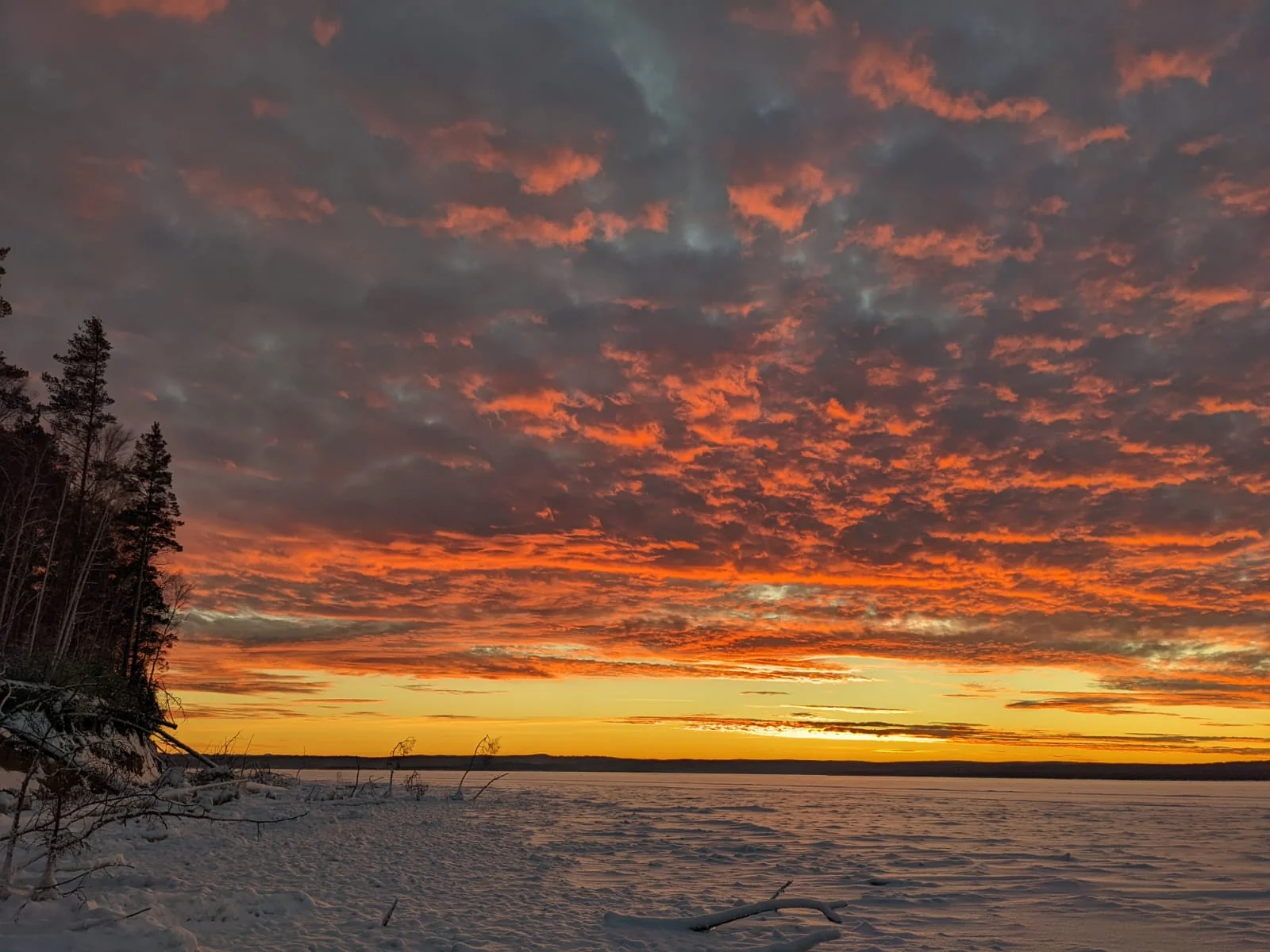
Standing on the transparent mirror of Baikal as the setting sun turns the horizon from gold to violet changes your perspective on winter travel. What initially seemed like a daunting journey into remote Siberia turns out to be an organised, comfortable, and deeply rewarding adventure. From the moment your guide meets you in your Irkutsk hotel lobby to your last evening admiring Shamanka Rock, every stage connects magnificent nature with genuine warmth. Pack your warm winter layers and a spirit of adventure; the crystal ice of Olkhon is ready to welcome you.
Ready to experience it yourself? Contact us to plan your winter journey — from door to door, we take care of everything.